Gold Mountain
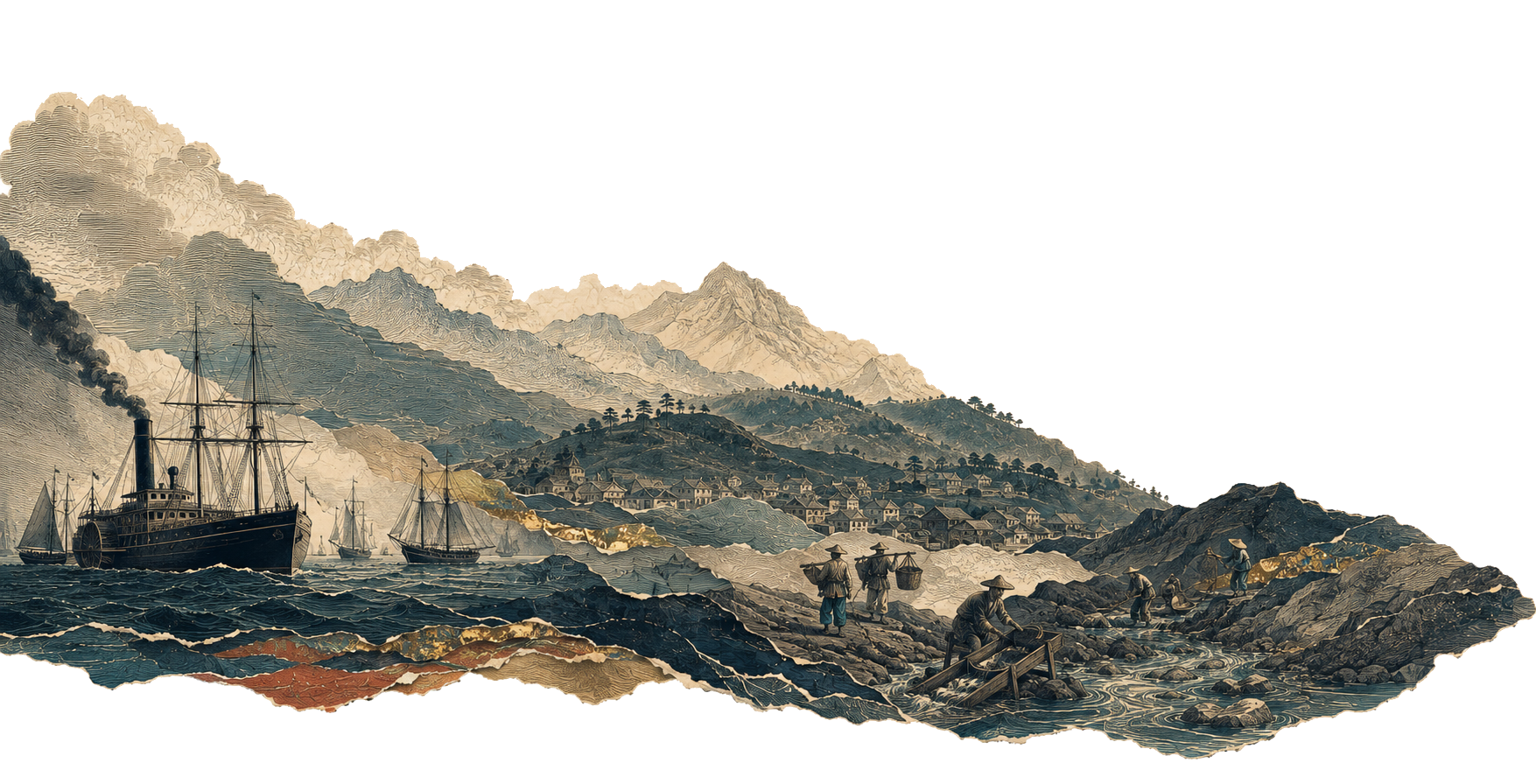
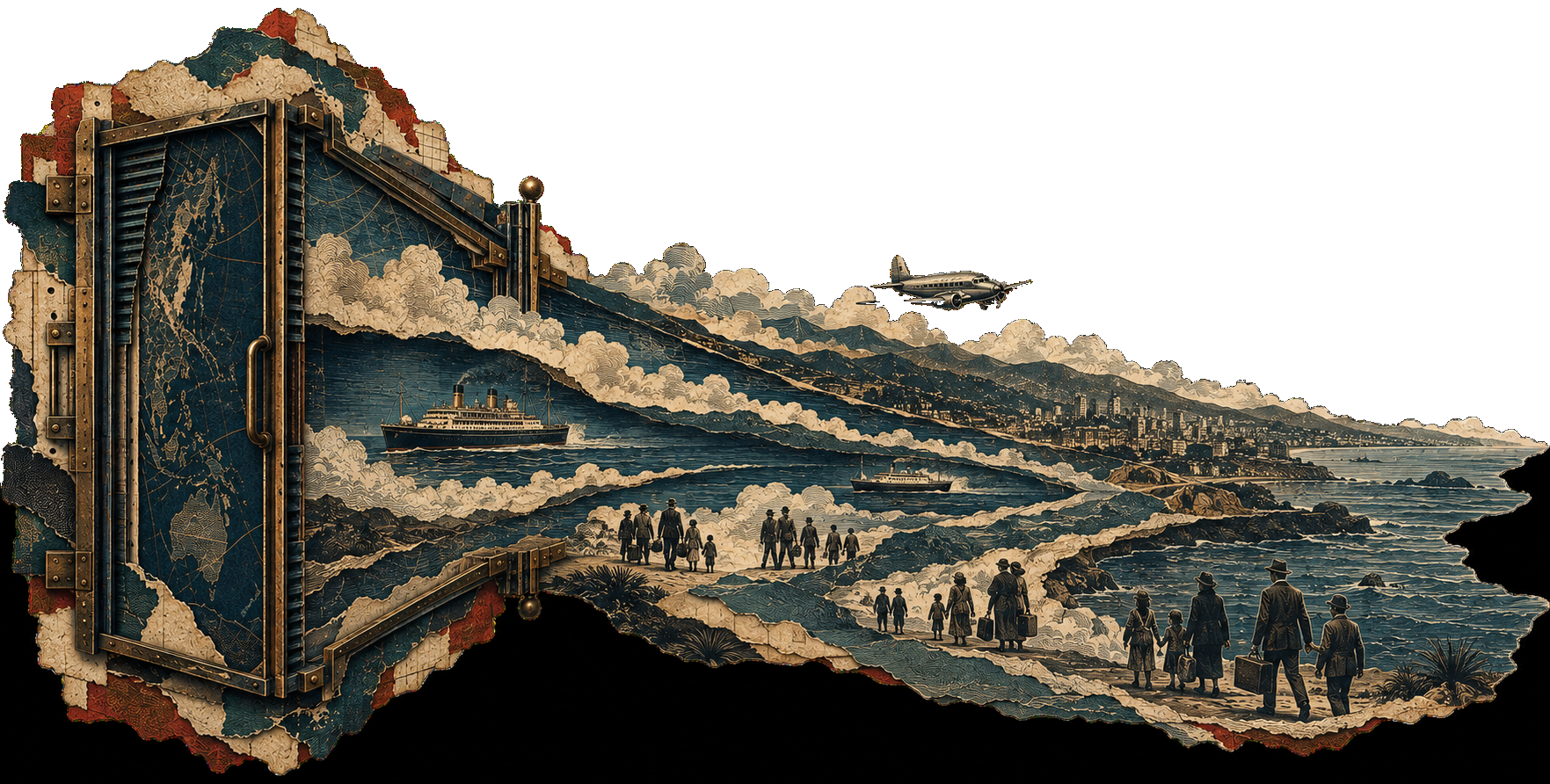
Gold is found in California. News travels outward faster than reliable information. In Cantonese, the destination becomes gam saan—Gold Mountain. A coastline becomes a wager.
The New Colossus · An interactive essay
A summer among immigrant engineers, founders, and their children—and the nearly 180 years of arrival that made their choices possible.
00 · The proposition
“Give me your tired, your poor,
Your huddled masses yearning to breathe free…” Emma Lazarus, “The New Colossus,” 1883
I came to the Bay Area carrying a question with special signficance to my own life: does Silicon Valley still deliver on the American Dream’s promise of mobility for immigrants?
For three months I worked inside a technology giant in Mountain View. On buses, over lunch, at intern mixers and in crowded startup rooms, I spoke with the people living inside that question: skilled workers waiting for permanence, children inheriting their parents’ sacrifice, and young founders arriving with little more than proximity and nerve.
The answer was not yes or no. The Dream remains startlingly real. What changed is the kind of freedom at its center—and who can afford to exercise it.
To understand that change, begin where California’s version of the Dream began: in the water.
01 · The coast
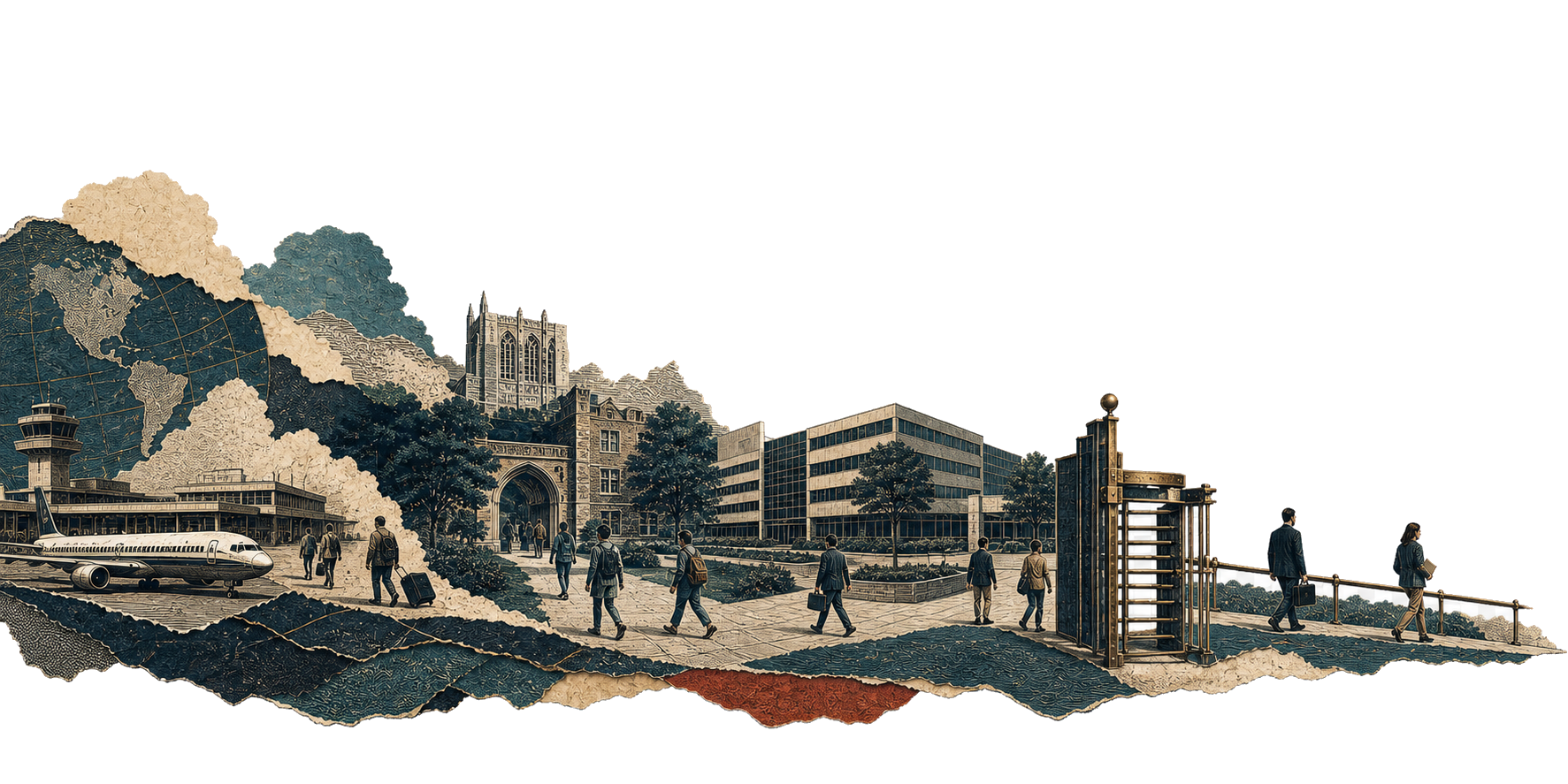
Scroll to move through nearly 180 years of West Coast immigration. Routes, records, laws and artifacts reshape one continuous Pacific world. Except where values are shown, the drawings are interpretive; the dates are not.
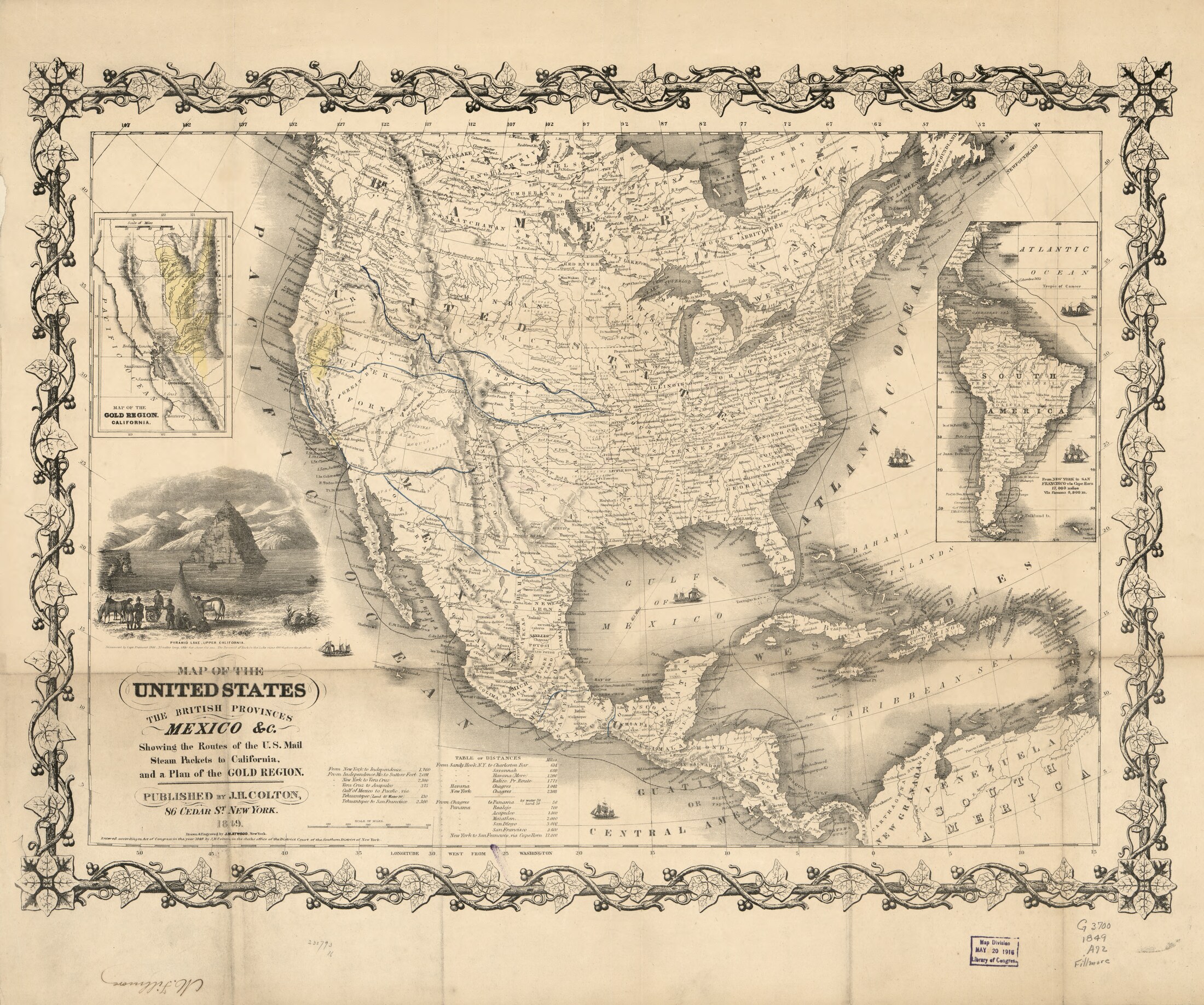
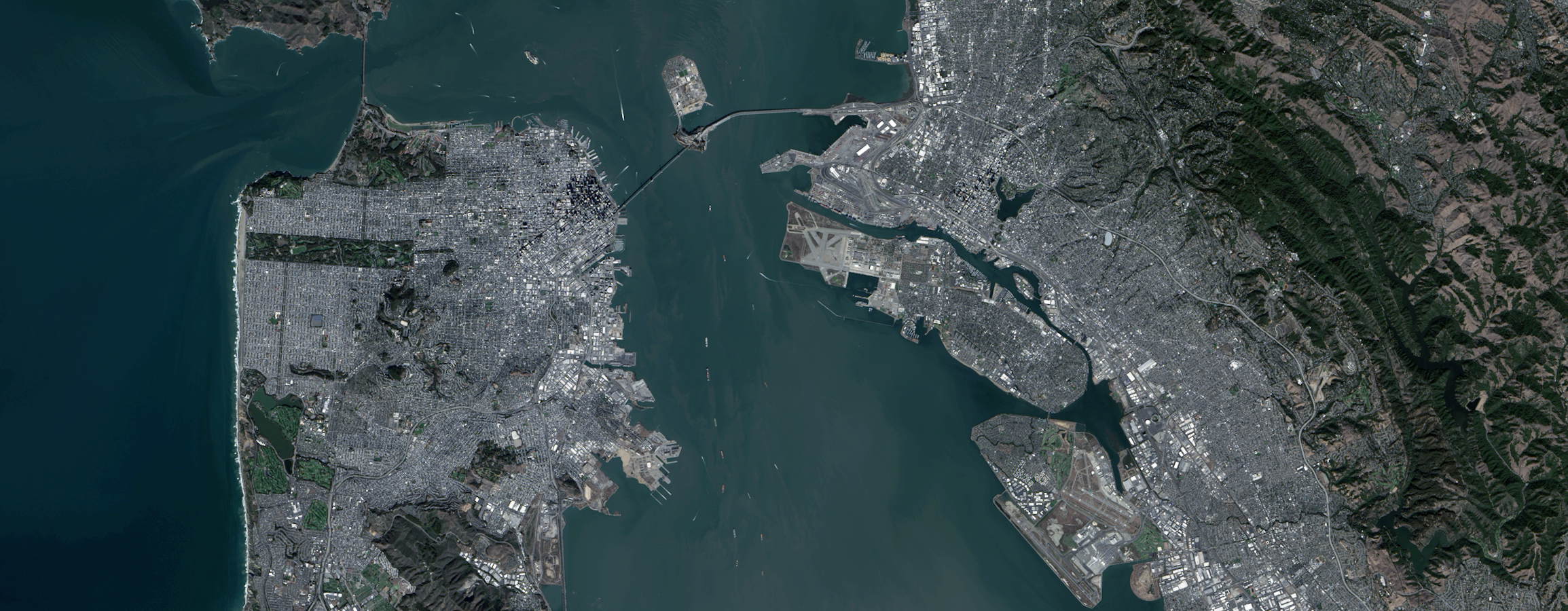
Gold is found in California. News travels outward faster than reliable information. In Cantonese, the destination becomes gam saan—Gold Mountain. A coastline becomes a wager.
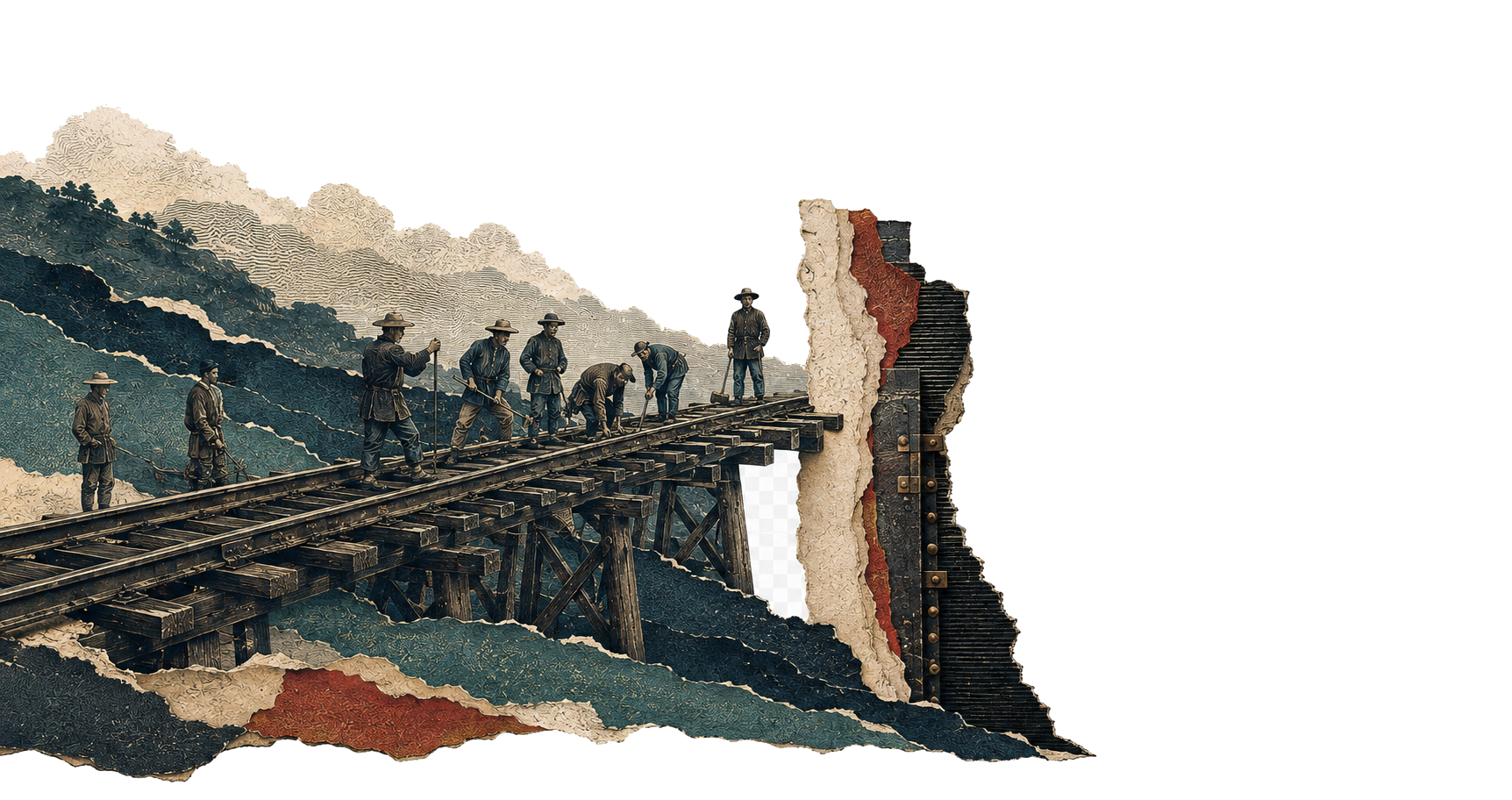
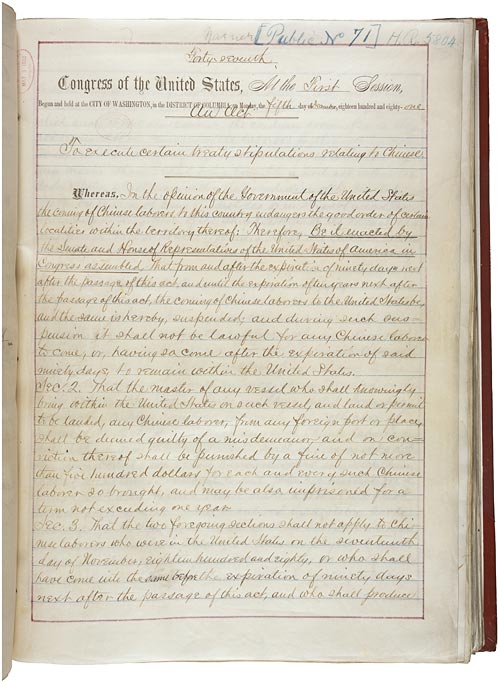
The Chinese Exclusion Act becomes the first major federal law to bar immigration on the basis of nationality. The country recruiting labor to build the West now writes exclusion into law.
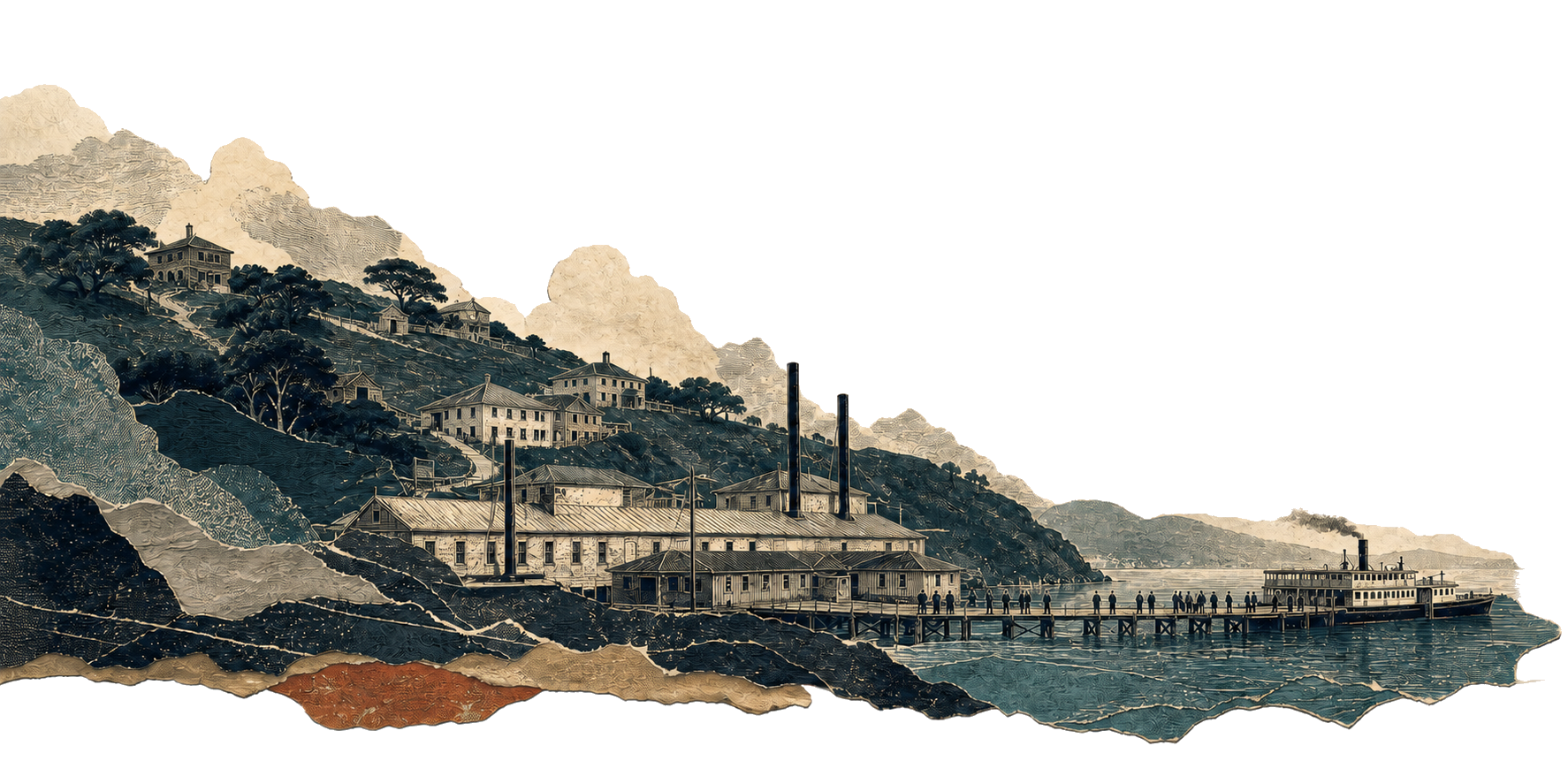
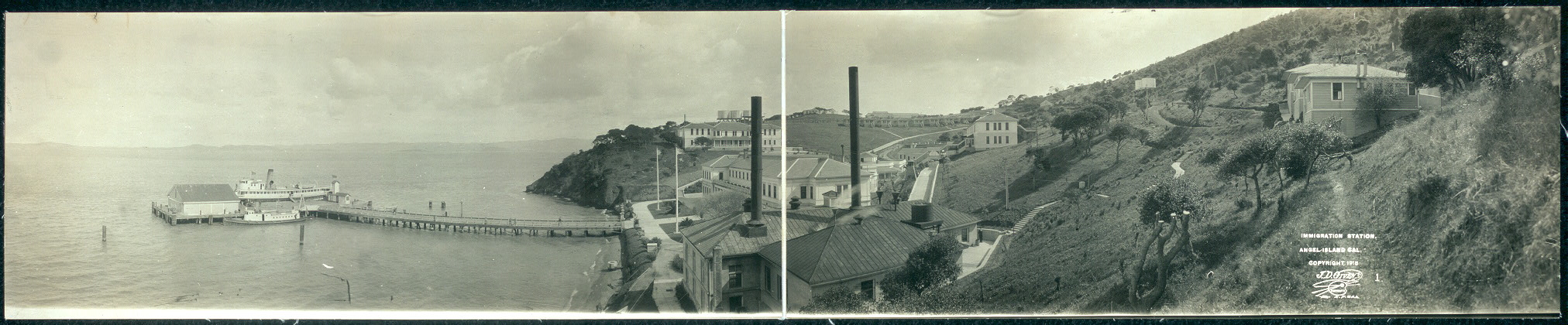
Unlike the mythology of welcome attached to Ellis Island, the Western station is designed to detain. More than 550,000 people arrive through the Port of San Francisco between 1910 and 1940; Asian arrivals are disproportionately held and interrogated.
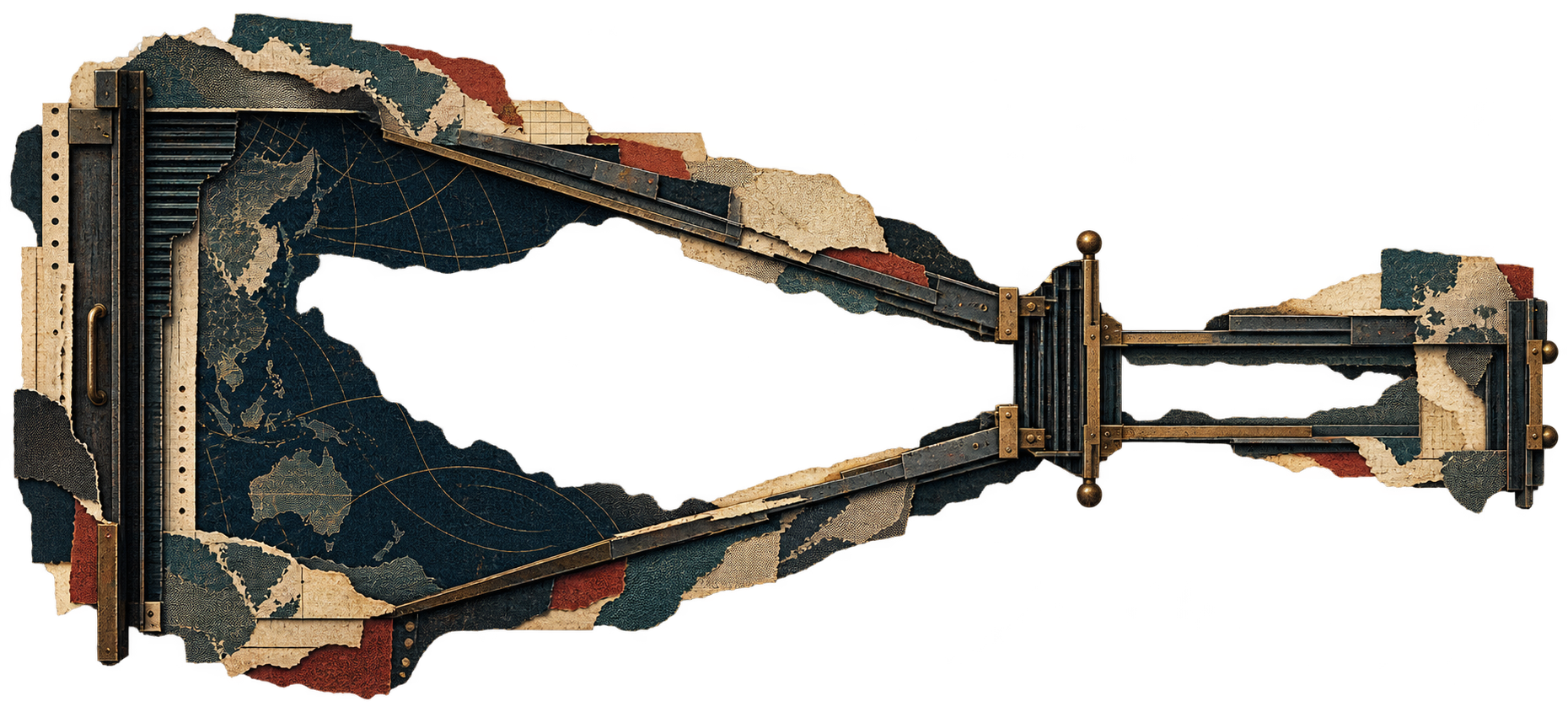
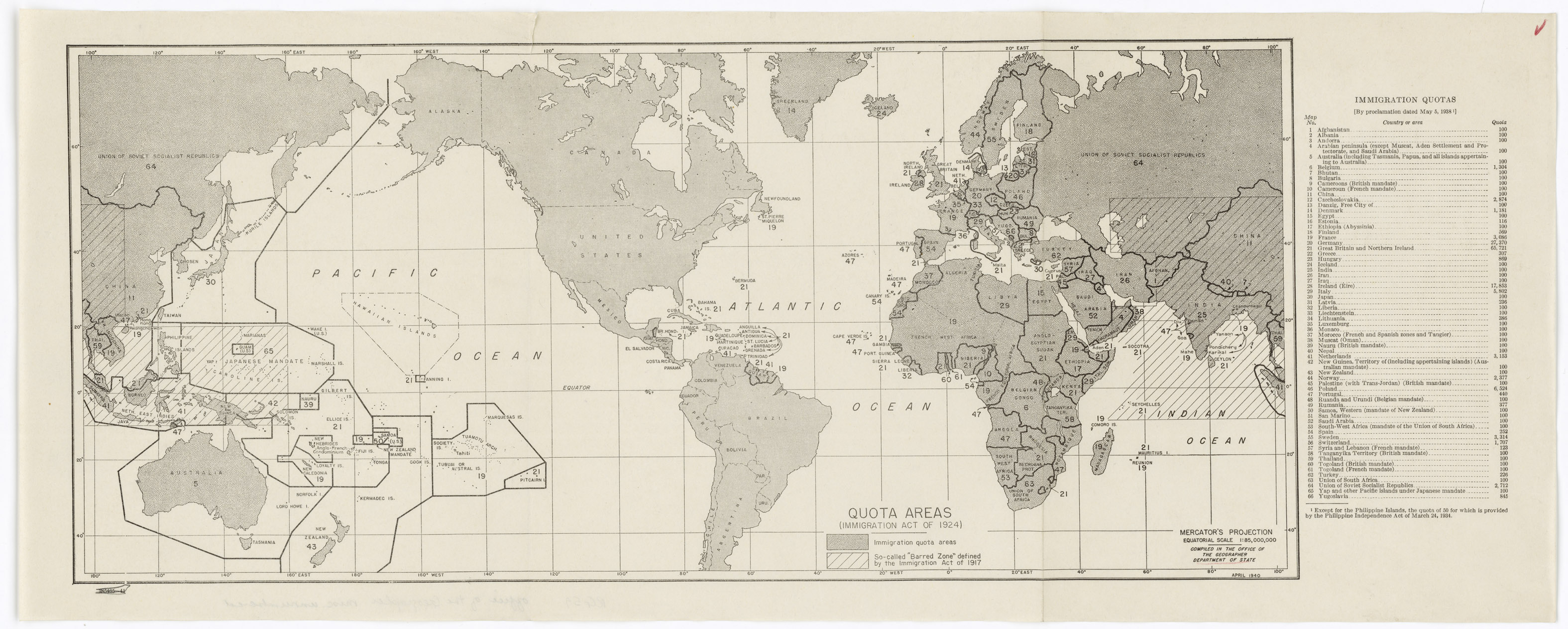
The Johnson–Reed Act cuts the total quota by more than half. But its use of the 1890 census does not narrow every route equally: the annual ceiling for Southern and Eastern Europe falls by 87%, while Northern and Western Europe falls by 30%.
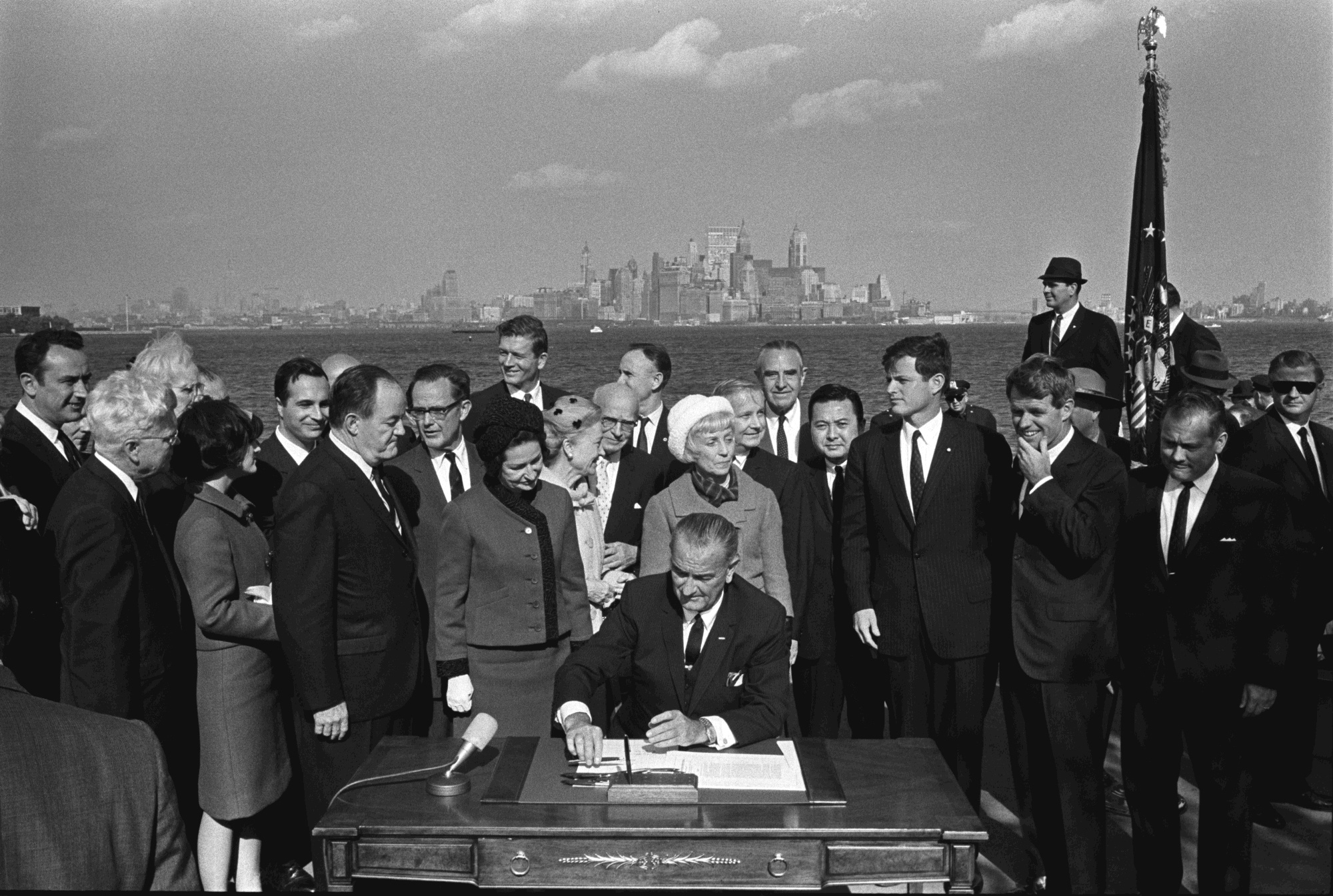
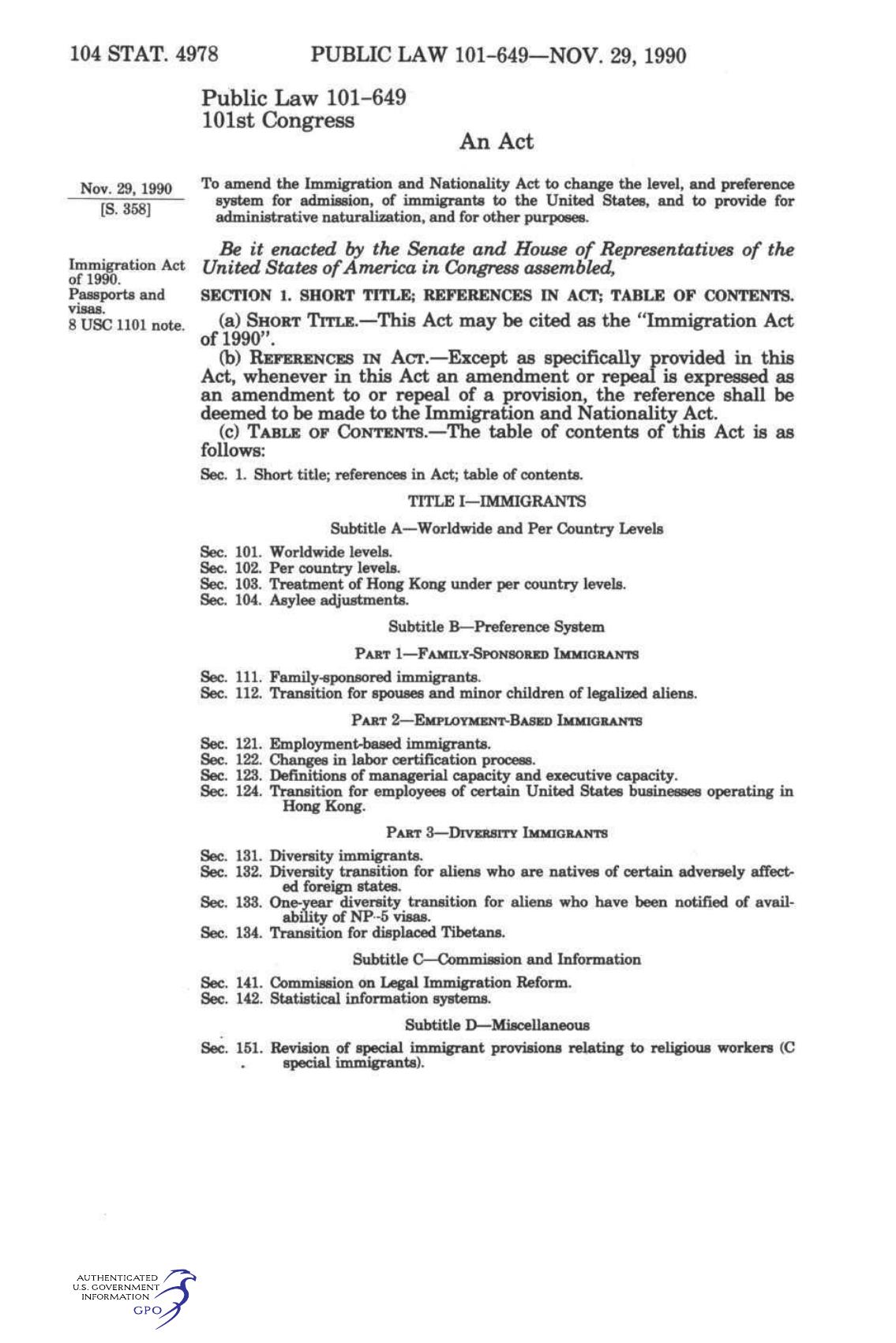
The Hart–Celler Act abolishes the quota system. Family reunification and skilled immigration reshape the country. New currents strengthen from Asia, Latin America, Africa, and the Caribbean.
The Immigration Act establishes the modern H-1B category. A route through graduate school and technology employment becomes so common that much of the Valley will eventually run through it.
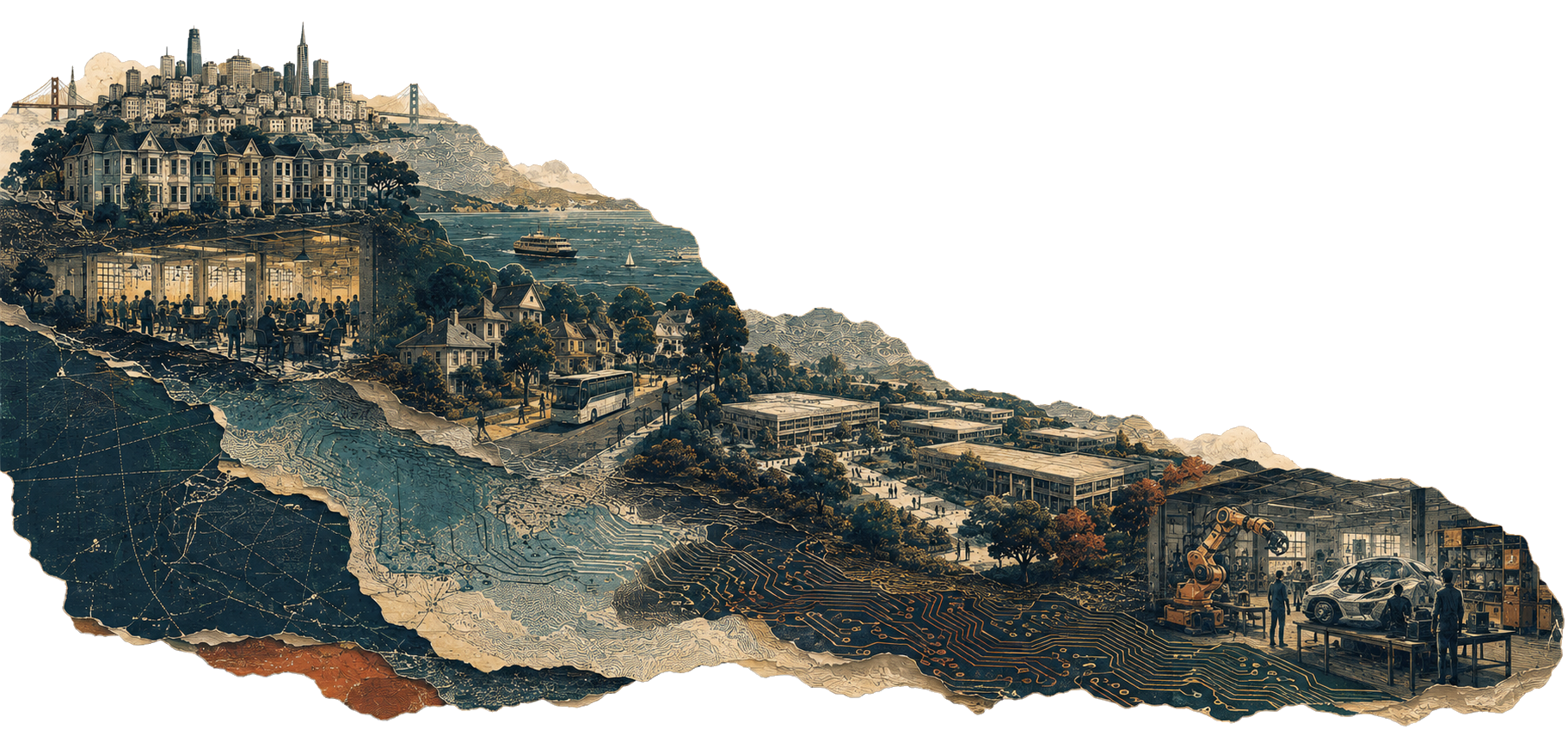
The gold is no longer pulled from the ground. It is raised, coded and incorporated. Across fifty miles from San Francisco to San Jose, immigrants and their children still come to make a life. Increasingly, they come to make a bet.
The ocean current becomes a transit line.
02 · Three months inside
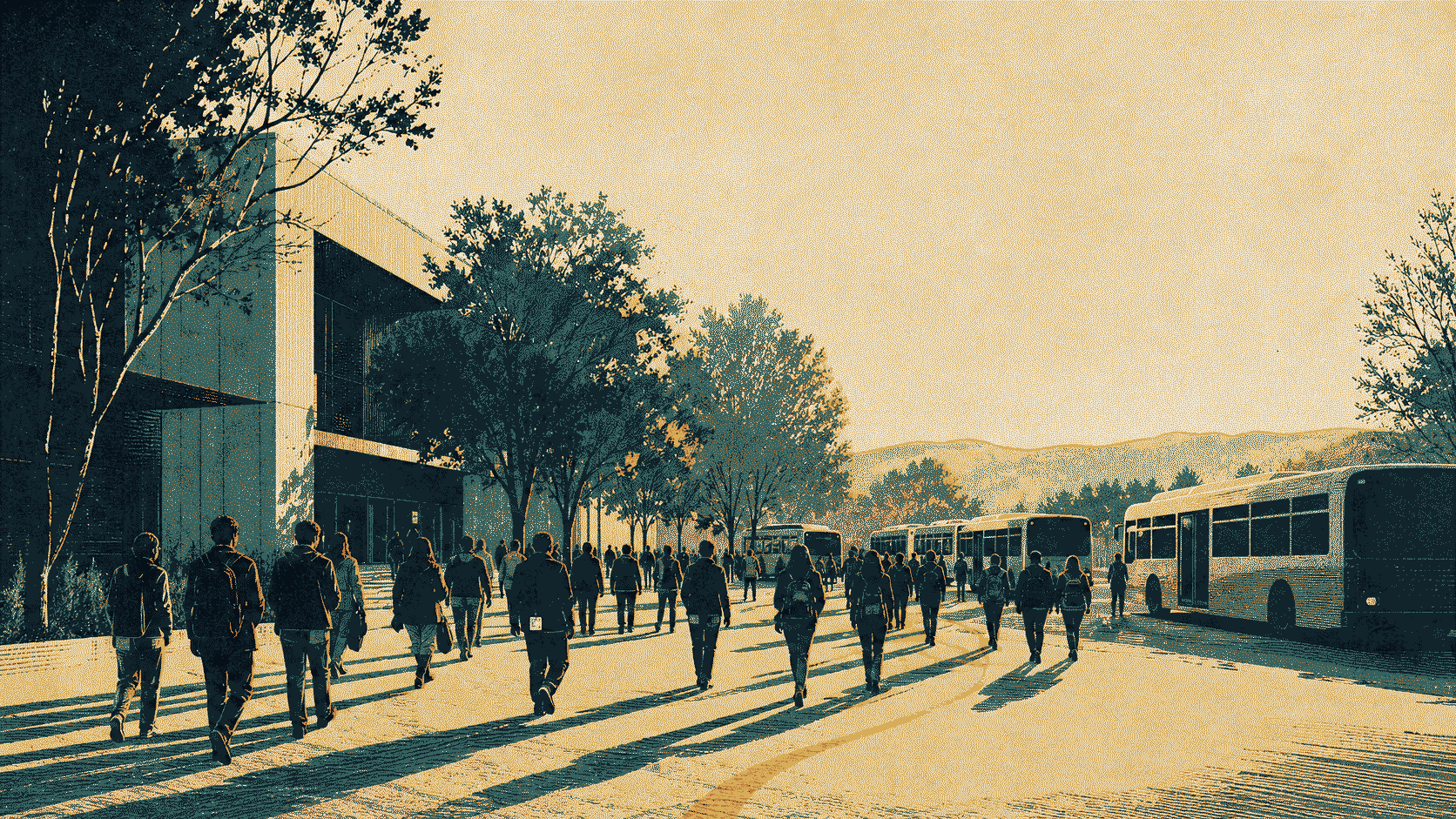
Each morning began in a leafy Palo Alto neighborhood, in a bedroom I found on Craigslist. I boarded one of our company's vast network of shuttles and made conversation with whoever happened to sit nearby. At the other end, a scrumptious breakfast spread was waiting—and a campus designed to make friction disappear.
The offices could feel playful, even fantastical. Everyone wore a badge at the waist. Clothing ranged from flip-flops to button-downs. But the detail that stayed with me was simpler: by four in the afternoon, people began streaming out.
Here was one version of immigrant success: work that bought back the rest of the day. Time, money, safety, family. Not a moonshot. An ordinary life, made unusually secure. Ten minutes up the road, another version of the Dream was glowing.
03 · Four encounters
Names are pseudonyms. Kai is a labeled composite assembled from several encounters. Each story is presented as recollection, not transcript.

I · The long game
Mobility without belonging.
Arun studied in Mumbai and was already working as a software engineer at the Indian office of a Western company when colleagues returned from American business trips describing a bargain that sounded almost implausible: a better lifestyle and better pay.
He entered through the canonical route—a computer-science master’s, then one technology giant, then another. Years later, he remains on an H-1B visa, hoping for a green card and quietly aware that the country may never make his life permanent.
“If they’ll have me.”Asked whether he hoped to stay
He said it with a smile. No grievance, no illusion. What America gave him is real: wealth, time, and a different league of professional experience. What it withholds is also real. The old Dream promised that steady work could become a home. For Arun, home remains conditional.
II · The rewritten script
The destination moved while he was running toward it.
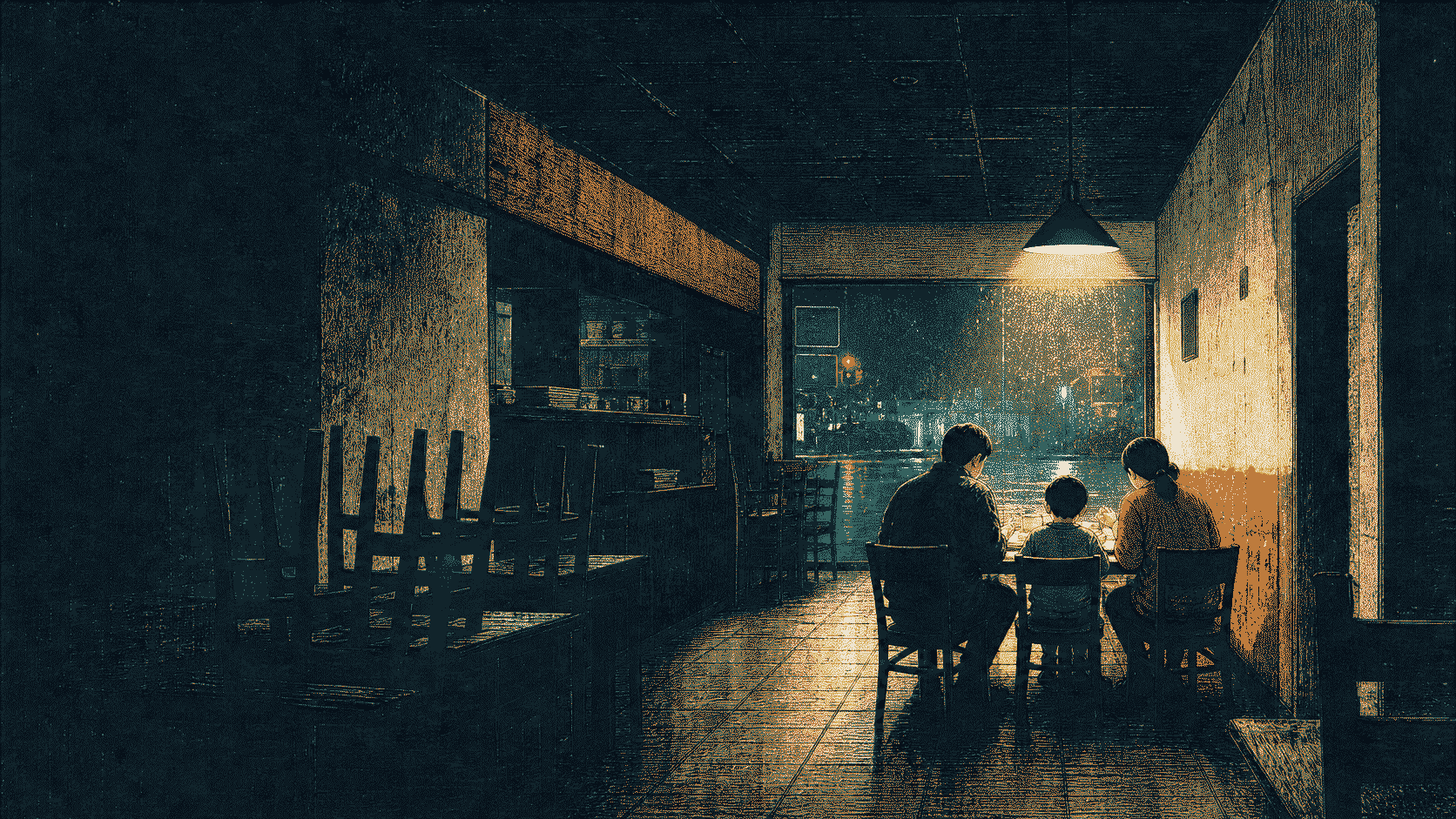
Eric’s parents came from China without college degrees and ran a Japanese restaurant in Flushing, NY. He helped after school. Dinner came late, after the last customers left. His father drives for Uber now.
The family script is familiar: restaurant, sacrifice, degree, prestigious employer. By its own terms, Eric has already won. Yet he turned down a robotics internship at a large technology company to remain at a small fintech startup.
He wants freedom, agency, exposure and speed. More importantly, he believes the most exciting work in robotics is now happening at startups. The badge his parents’ generation worked toward still carries security. It no longer monopolizes possibility.
He is not rejecting his parents’ Dream. He is refinancing it.
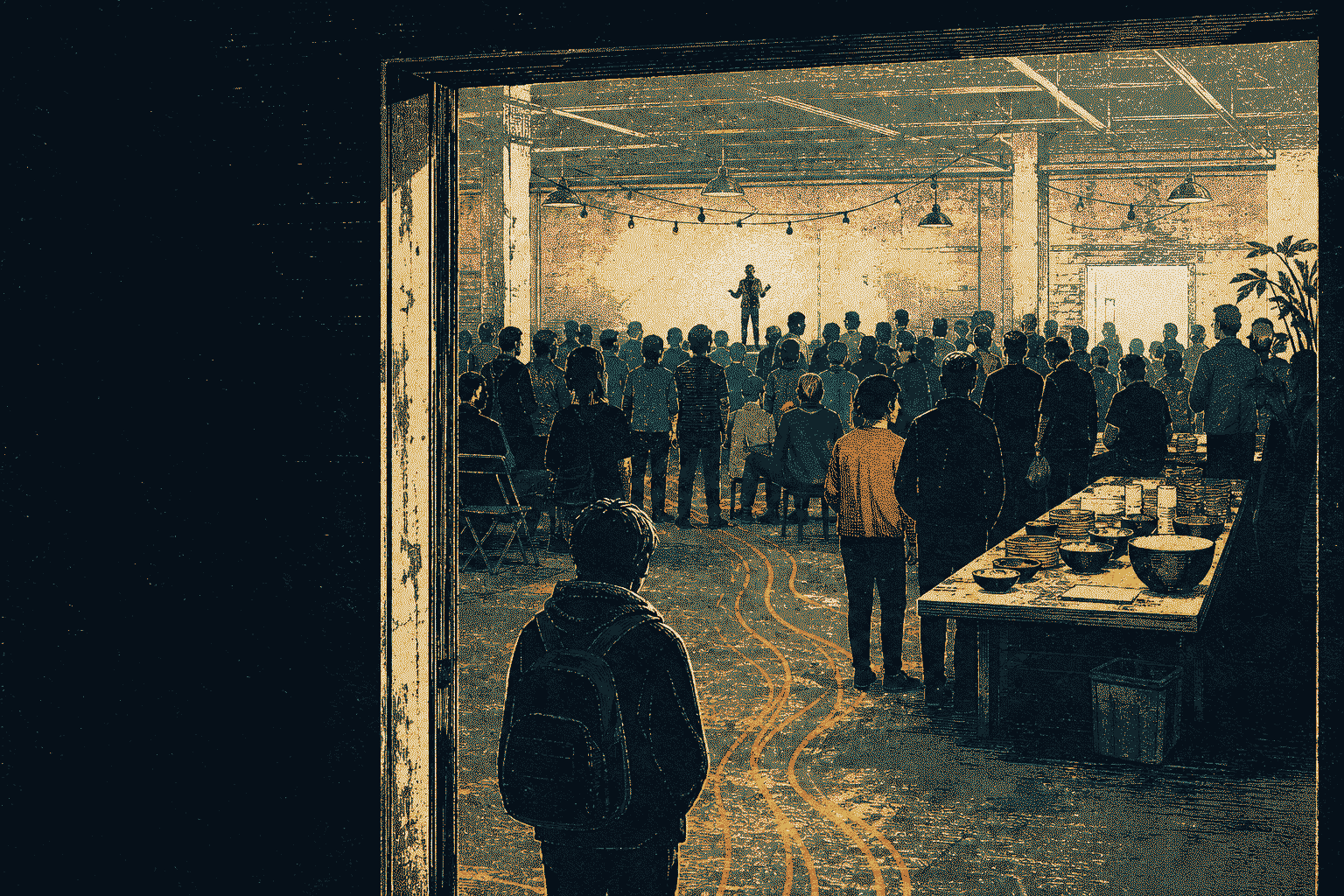
III · The new gold rush
Composite portrait
A one-way ticket, a laptop, and absolute certainty.
I met versions of Kai at the afterparties surrounding a startup-school weekend: Canadian, Egyptian, Swedish, Brazilian, Chinese—young people who had dropped whatever they were doing to enter the Bay’s gravitational field.
Some had entered an accelerator. Others still needed an idea, a customer, or somewhere to sleep. A high-school student bought a one-way ticket to San Francisco and began knocking on the doors of startups he admired. One opened, gave him a tour, and then a job.
“I have no business being in this room.”The student who knocked
The gold is now vertical AI, software agents and robotics. Most prospectors will leave without a fortune. Yet every day, fortunes are minted by people who began with a half-formed idea and an unreasonable willingness to continue.
A gold rush can be naïve and real at the same time.

IV · The modest winner
America gave a different answer to a person another system had already ranked.
Andre grew up in Singapore and attended a middling junior college—the same kind I did. He came to America through community college, transferred to Berkeley, and met his Indonesian cofounders along the way.
They began with a crypto exchange for Southeast Asia, pivoted repeatedly, entered the startup circuit, and eventually sold a no-code product. He described the exit as “a not life-changing sum of money,” then corrected himself when prodded.
“Though it would be life-changing for most people outside the Valley.”
Andre is neither a unicorn nor a casualty. He is something more representative: a person whom one meritocracy treated as unexceptional and another re-ranked. The machine worked—modestly, conditionally, and in a currency whose value changes with the place it is measured.
04 · The repricing
Does Silicon Valley deliver meritocratic mobility? Across these lives, the answer is yes—and that is not the interesting part. It delivered wealth and skill to Arun without belonging. It gave Eric an inheritance valuable enough to risk. It offered Kai access without requiring permission. It gave Andre a second ranking.
The Dream survives. But the terms have changed.
For generations of arrivals, freedom meant the chance to establish an ordinary, durable life. That version persists. But the Valley adds another possibility: access to unusually large upside, unusually early, for anyone able to absorb the downside.
05 · The edge
There were 321 interns at our campus in Mountain View this summer. From the people I met, the cohort appeared to be largely children of first-generation immigrants, especially from Asian families. Among the people I knew well, the dominant ambition was straightforward: secure the return offer.
That instinct was not small. For many families, the corporate badge remains evidence that decades of migration, education and sacrifice cleared. For international students, it can also be the infrastructure beneath every larger ambition.

Stability is not the opposite of ambition.
It is what makes ambition affordable.
The lamp is still lit. So is the office. So is the room upstairs where someone has just arrived with a one-way ticket and no idea yet.
It is the freedom to make a bet.
Whether that is liberation, temptation, or simply the latest price of admission is left to the reader. Most people in this story are still deciding.
Notes
This essay draws on three months of participant observation while working as a software-engineering intern in Mountain View, along with field conversations at offices, intern mixers, founder gatherings, startup events and San Francisco’s Chinatown. No conversations were recorded. Quotations are rendered from notes and recollection. Names and identifying details have been changed; “Kai” is a labeled composite.
The historical visualization is interpretive rather than a quantitative migration chart. The exception is the 1924 paper current: its widths encode annual legal ceilings, not observed arrivals, using the country figures reported by the Commissioner General of Immigration. Archival images are presented as artifacts; the surrounding collage is newly made connective scenery.